
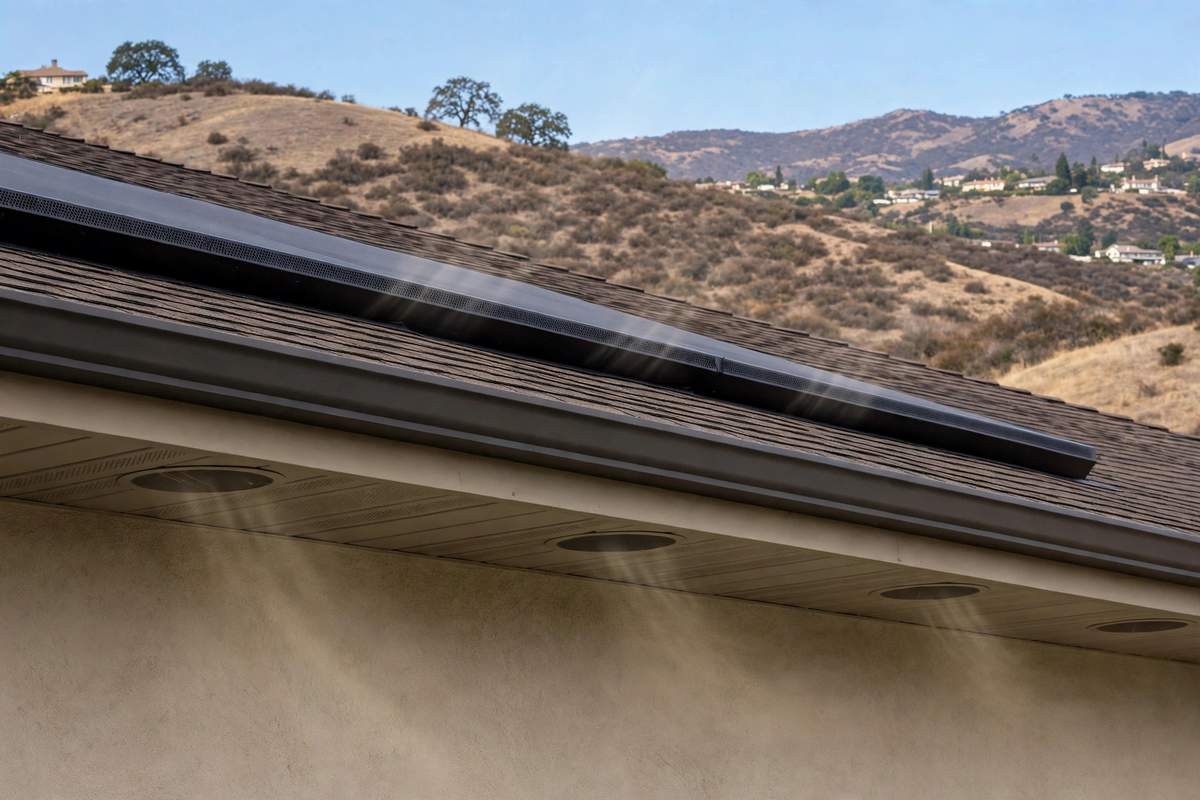
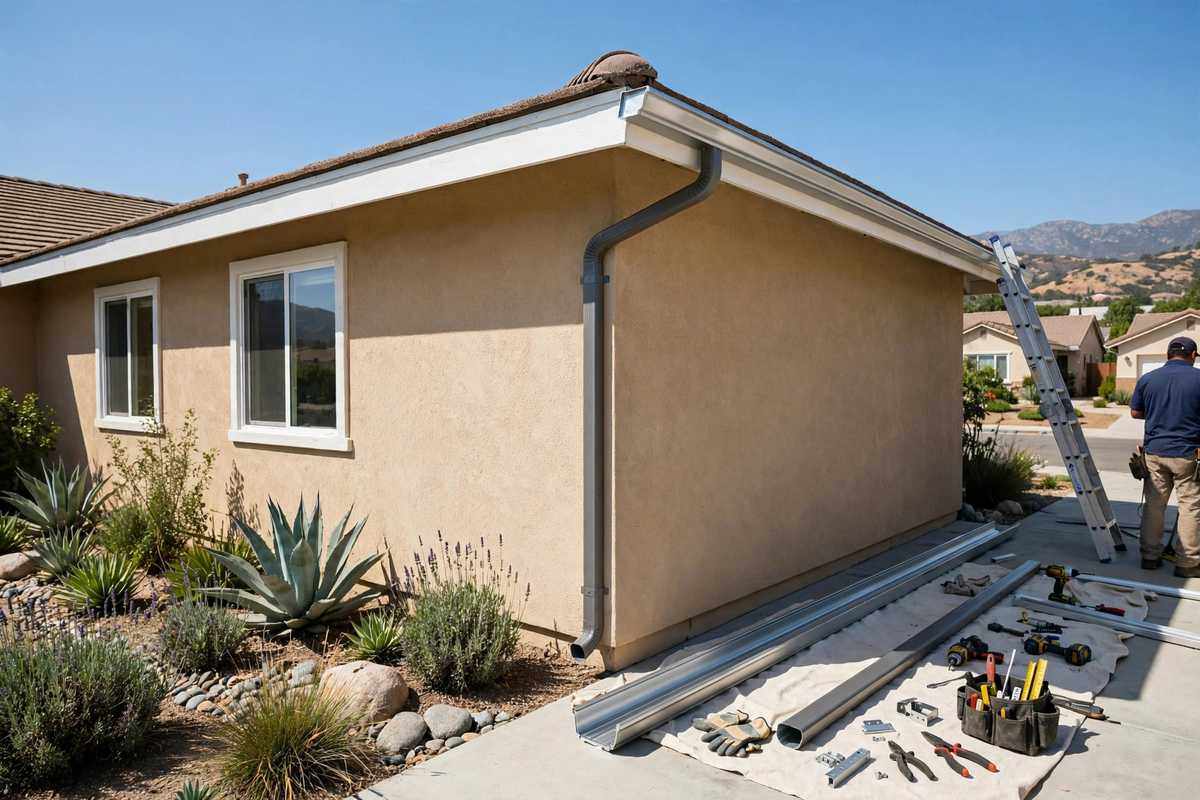
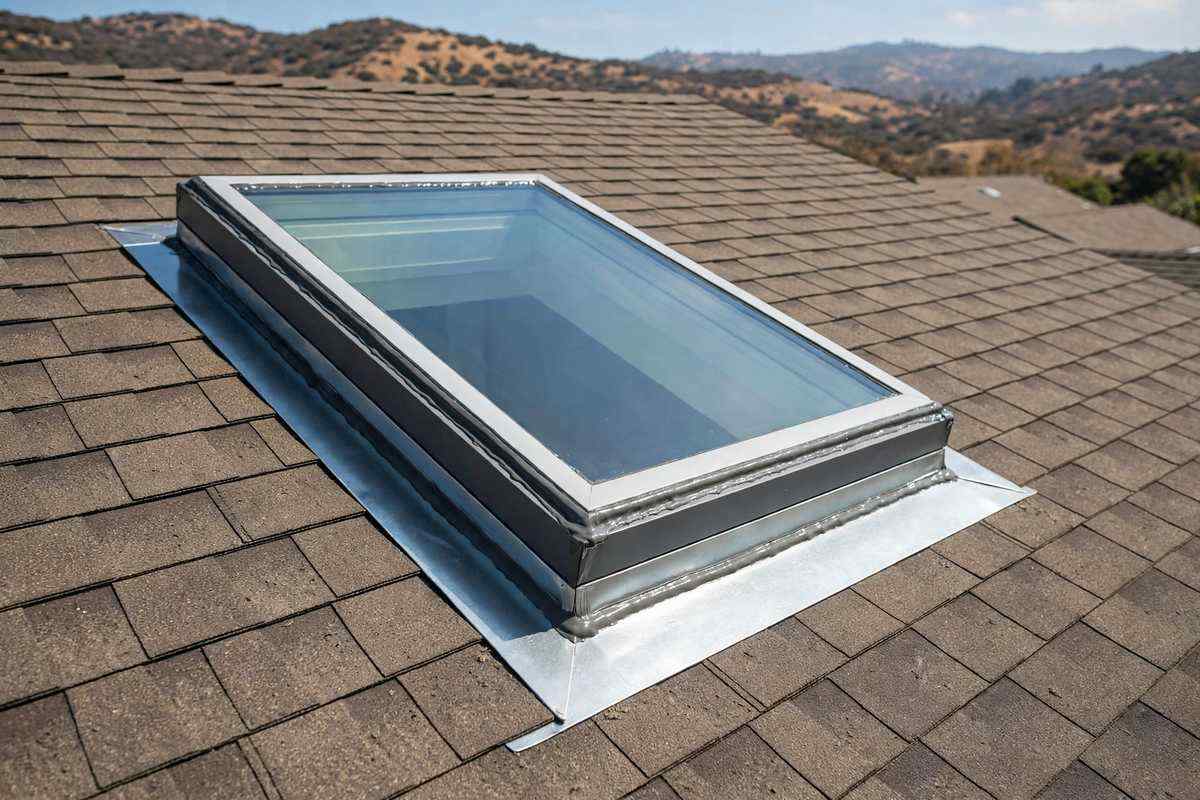
Written scope
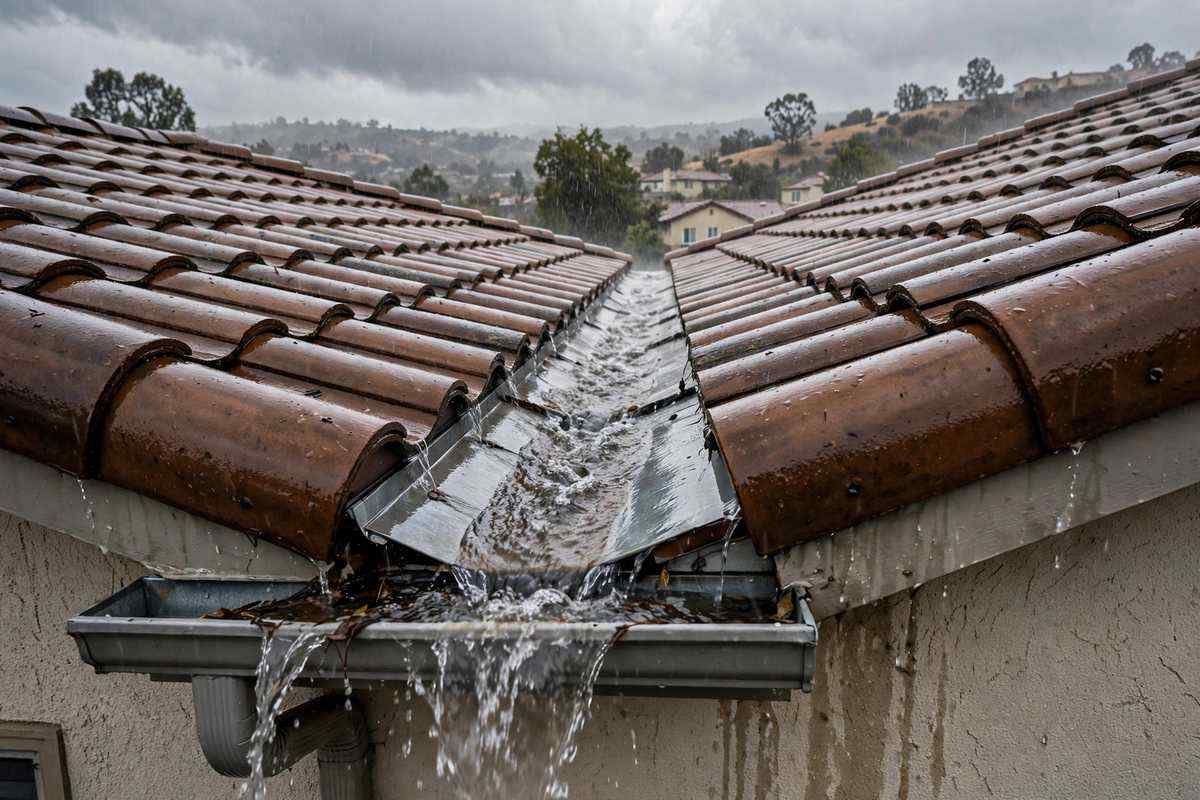
Rain is strongly winter-concentrated and summers are essentially dry, so valleys, flashings and drains sit dry and collect debris for months and are then tested in a handful of winter storms.
Storm damage in Simi Valley comes in two forms: Santa Ana wind, which lifts ridge caps and shingles and drives debris, and concentrated winter rain, which finds valleys, flashings and failed underlayment.
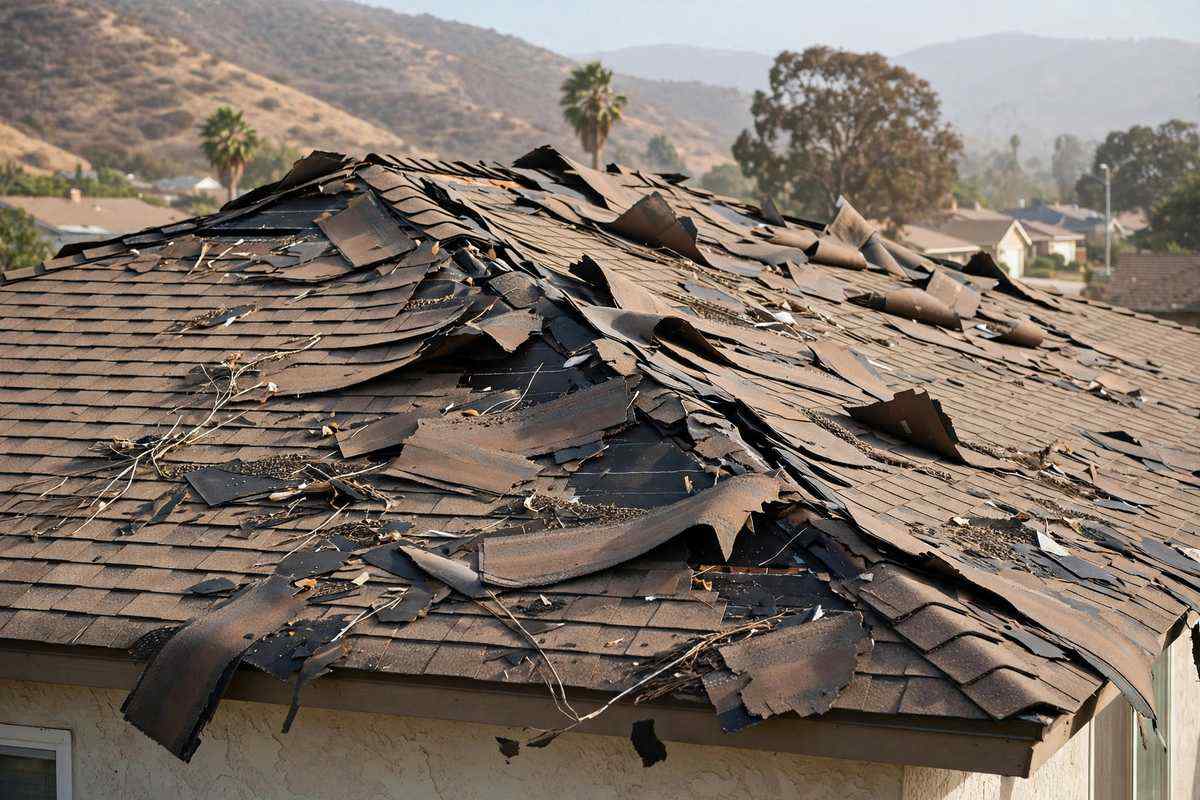
After a storm, the first step is documentation: photographs of the roof, the yard and any interior staining, before temporary repairs disturb the evidence. That record matters whether the repair is paid for directly or through an insurance claim, and no outcome is promised for any claim.
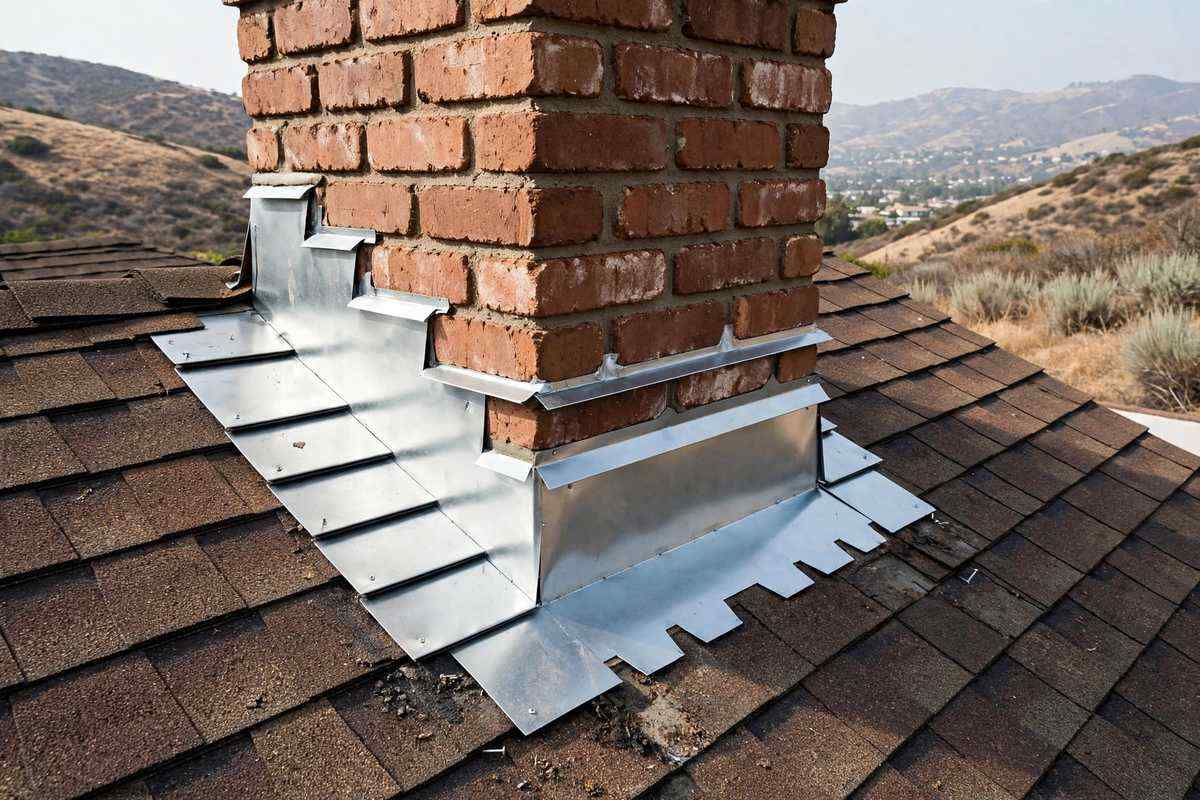
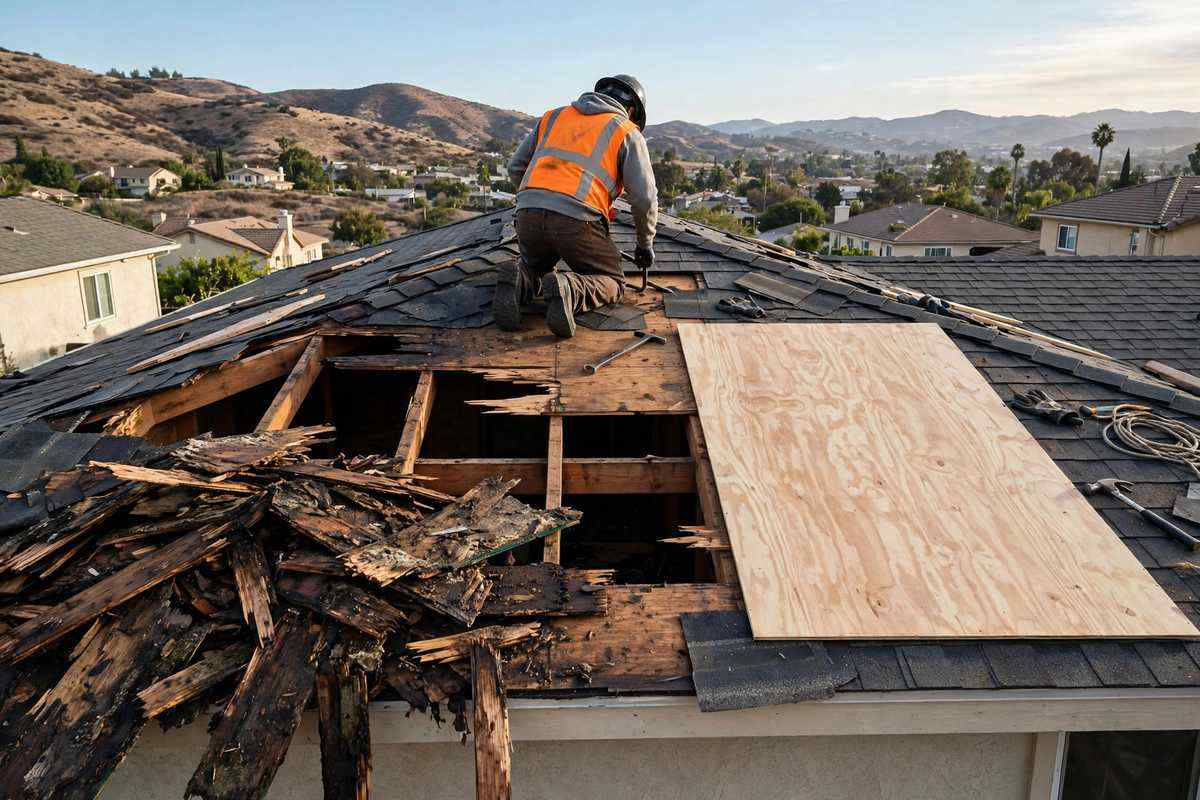
That record matters whether the repair is paid for directly or through an insurance claim, and no outcome is promised for any claim.
Simi Valley is an ageing tract re-roof market, not a new-construction market. Most Simi Valley homes were built in the 1960s and the 1980s, with a median construction year in the late 1970s. A large share of roofs therefore sit on homes 35 to 65 years old, at or beyond a first or second re-roof cycle on age grounds alone, so each roof still needs its own inspection.
Roof demand in Simi Valley is driven by inland heat and ultraviolet exposure, concentrated winter rain, and Santa Ana wind, not by snow. Rain is strongly winter-concentrated and summers are essentially dry, so valleys, flashings and drains sit dry and collect debris for months and are then tested in a handful of winter storms. Santa Ana gusts in Simi Valley have been recorded at 62 mph, as on 4-5 October 2013.
A recent local fire was the Easy Fire, 30 October to 2 November 2019, at 1,806 acres, ignited near Easy Street and Madera Road at the westerly end of Simi Valley. The Woolsey Fire ignited on 8 November 2018 south of Simi Valley on or near the Santa Susana Field Laboratory and burned about 80 percent of that site.
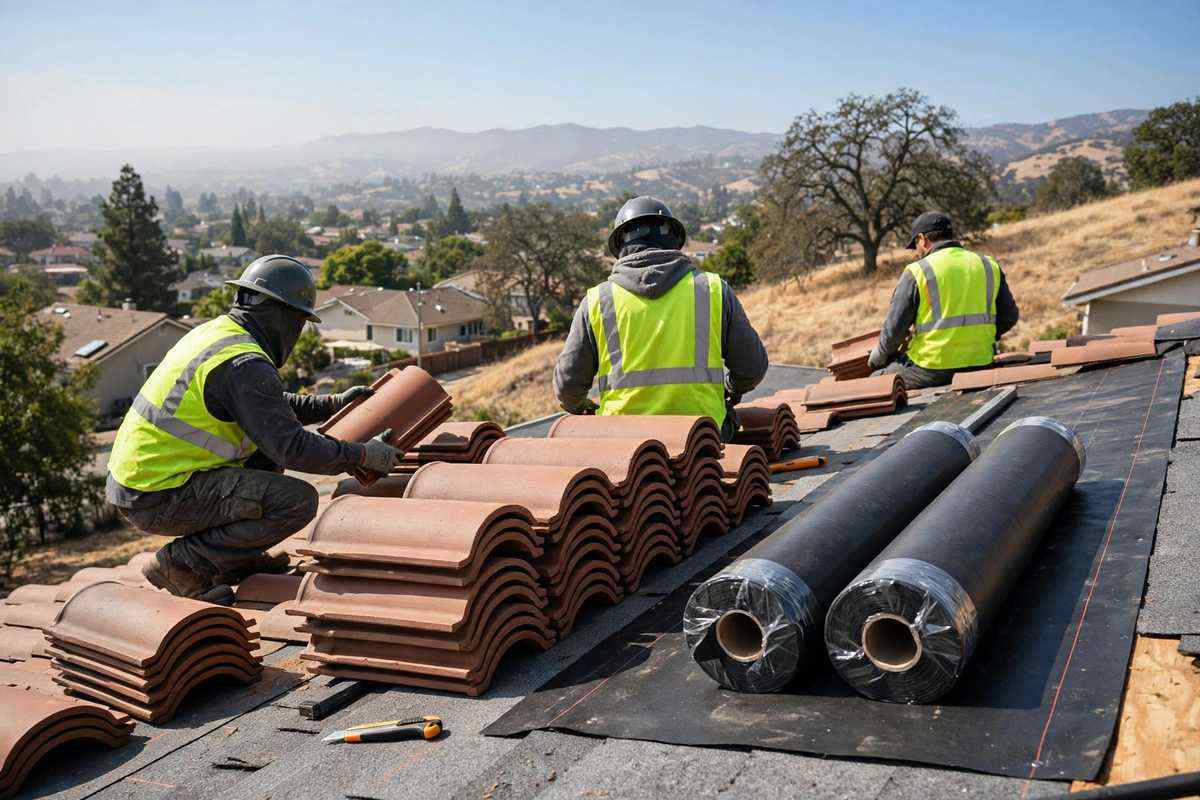
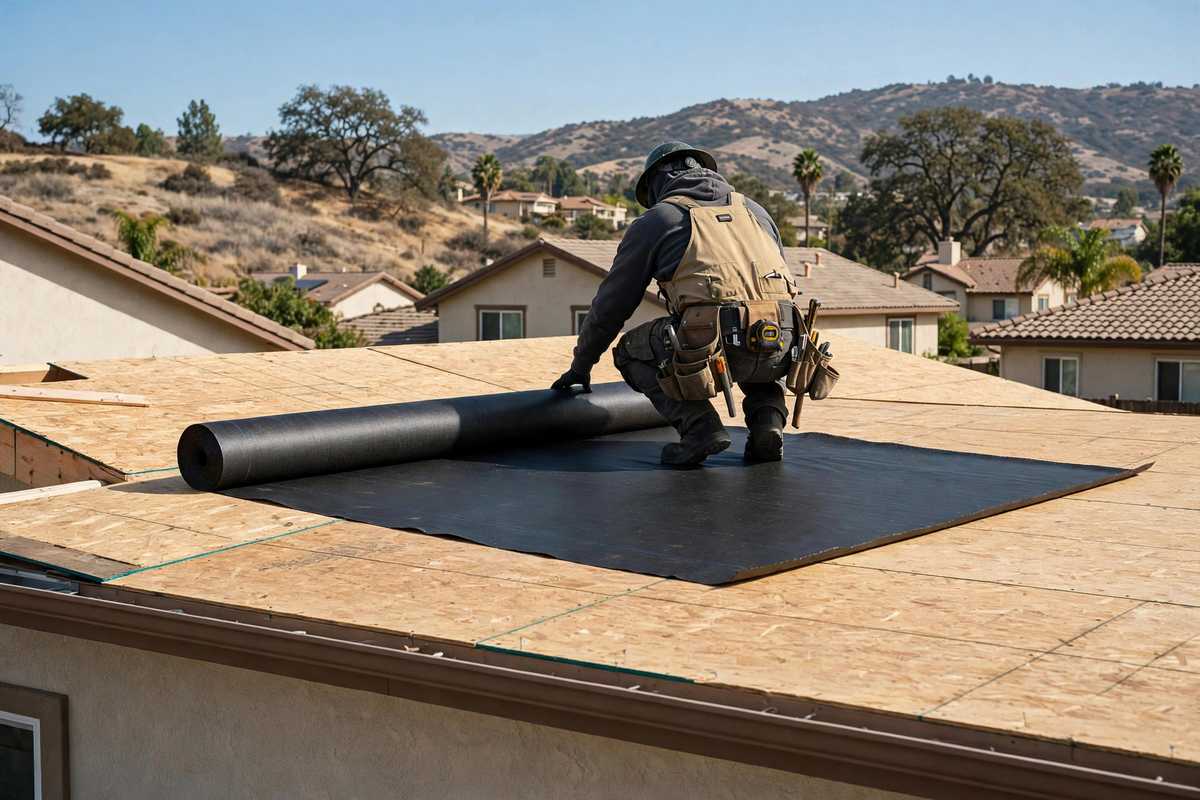
We dry in the roof first, then repair the layers that actually failed.
Storm damage in Simi Valley comes in two forms: Santa Ana wind, which lifts ridge caps and shingles and drives debris, and concentrated winter rain, which finds valleys, flashings and failed underlayment.
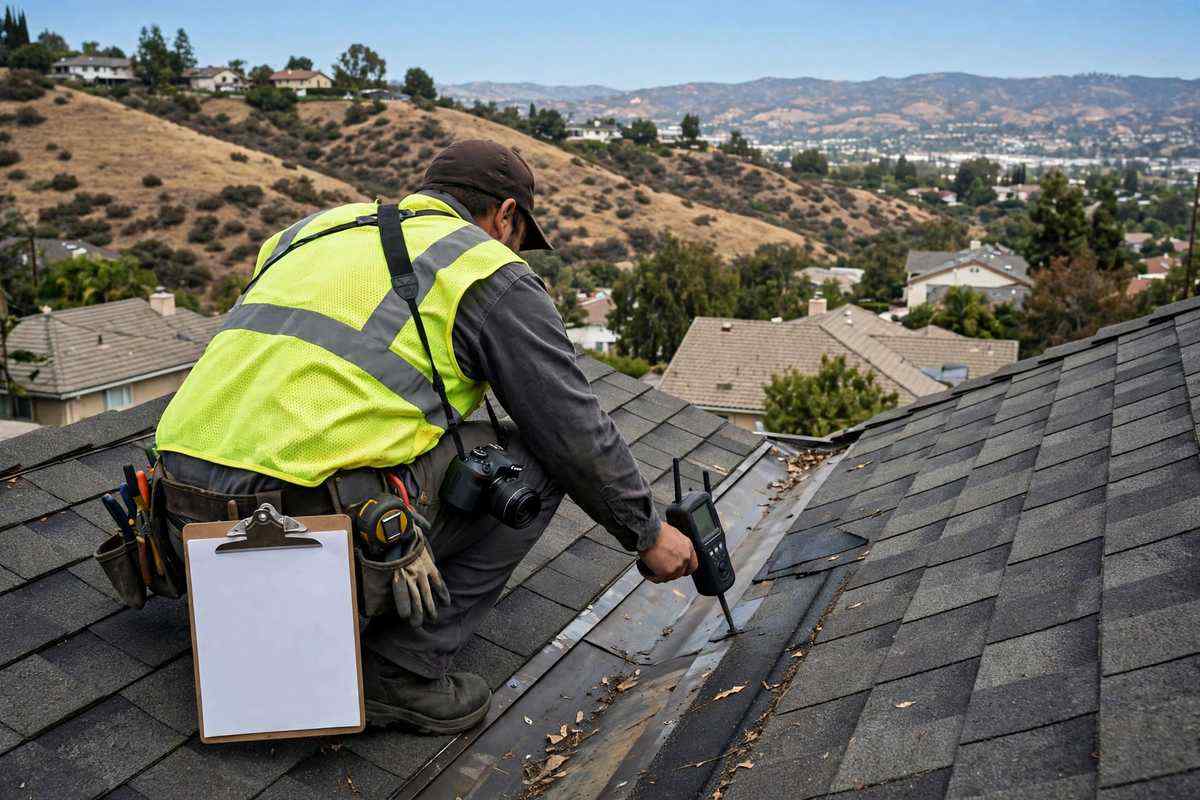
A large share of roofs therefore sit on homes 35 to 65 years old, at or beyond a first or second re-roof cycle on age grounds alone, so each roof still needs its own inspection.
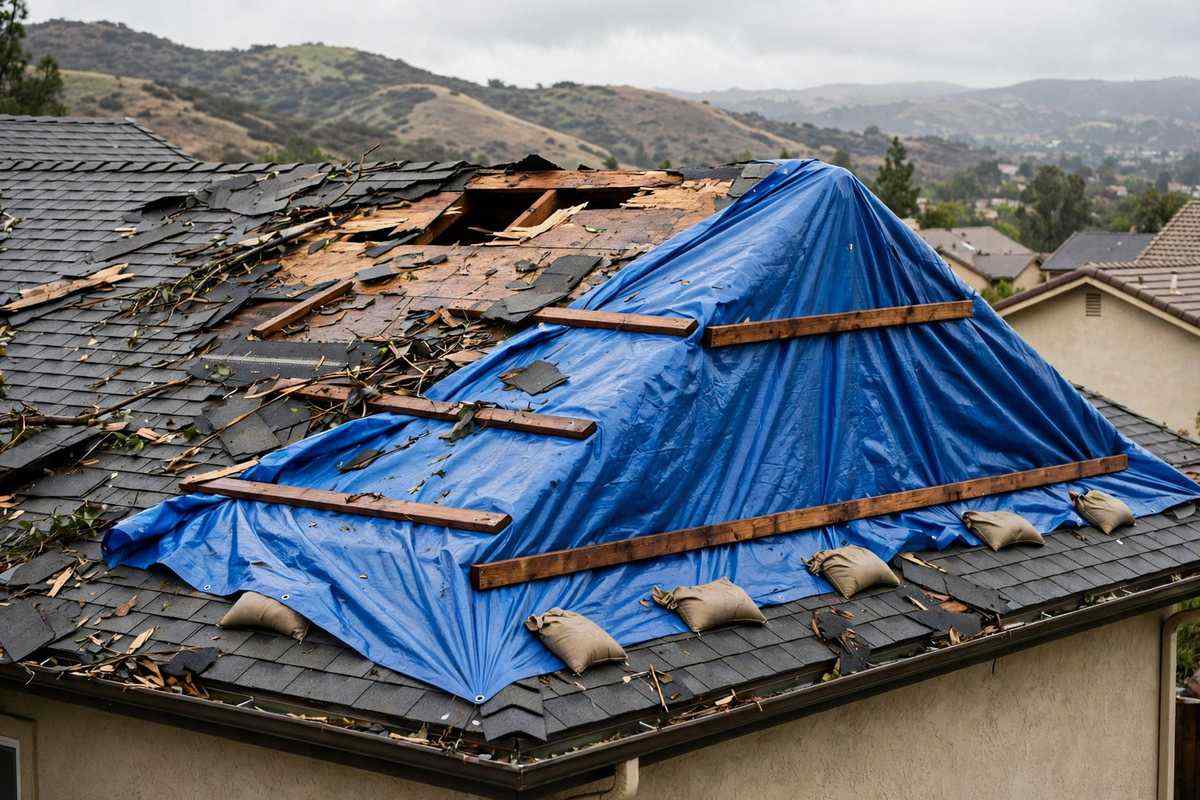
Roof demand in Simi Valley is driven by inland heat and ultraviolet exposure, concentrated winter rain, and Santa Ana wind, not by snow.
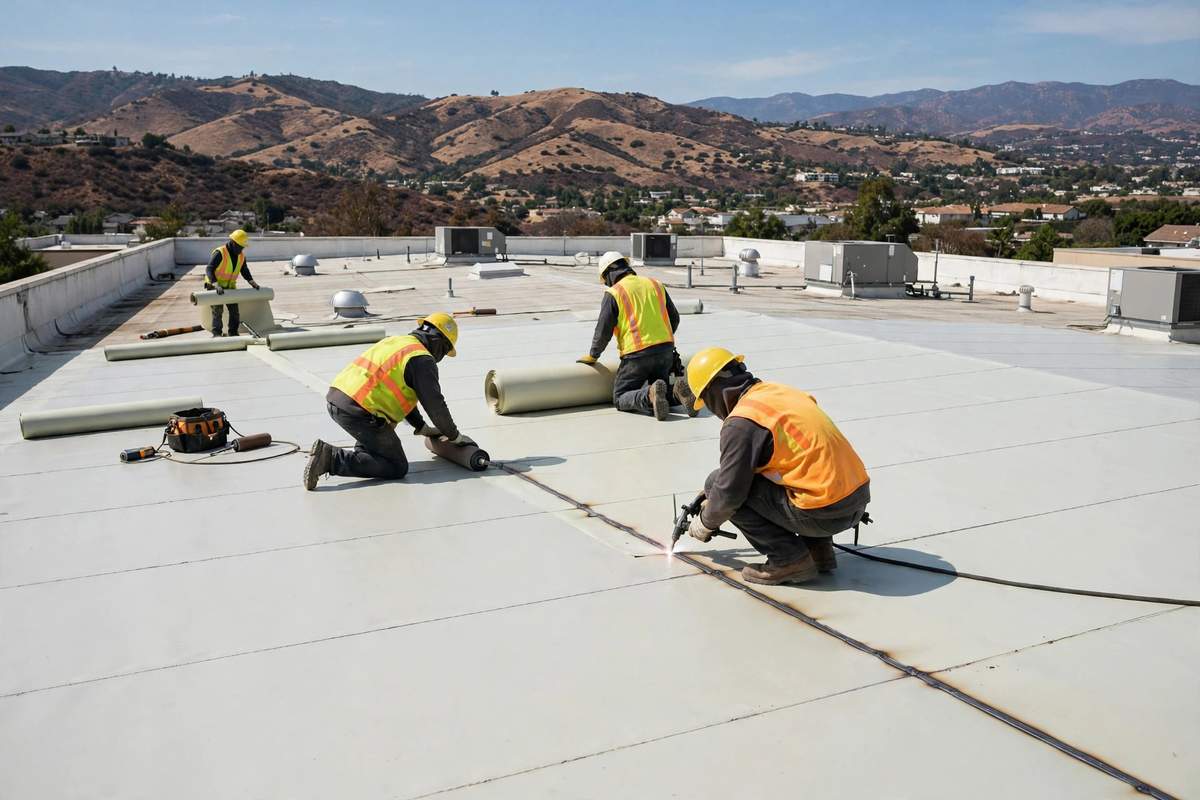
Rain is strongly winter-concentrated and summers are essentially dry, so valleys, flashings and drains sit dry and collect debris for months and are then tested in a handful of winter storms.
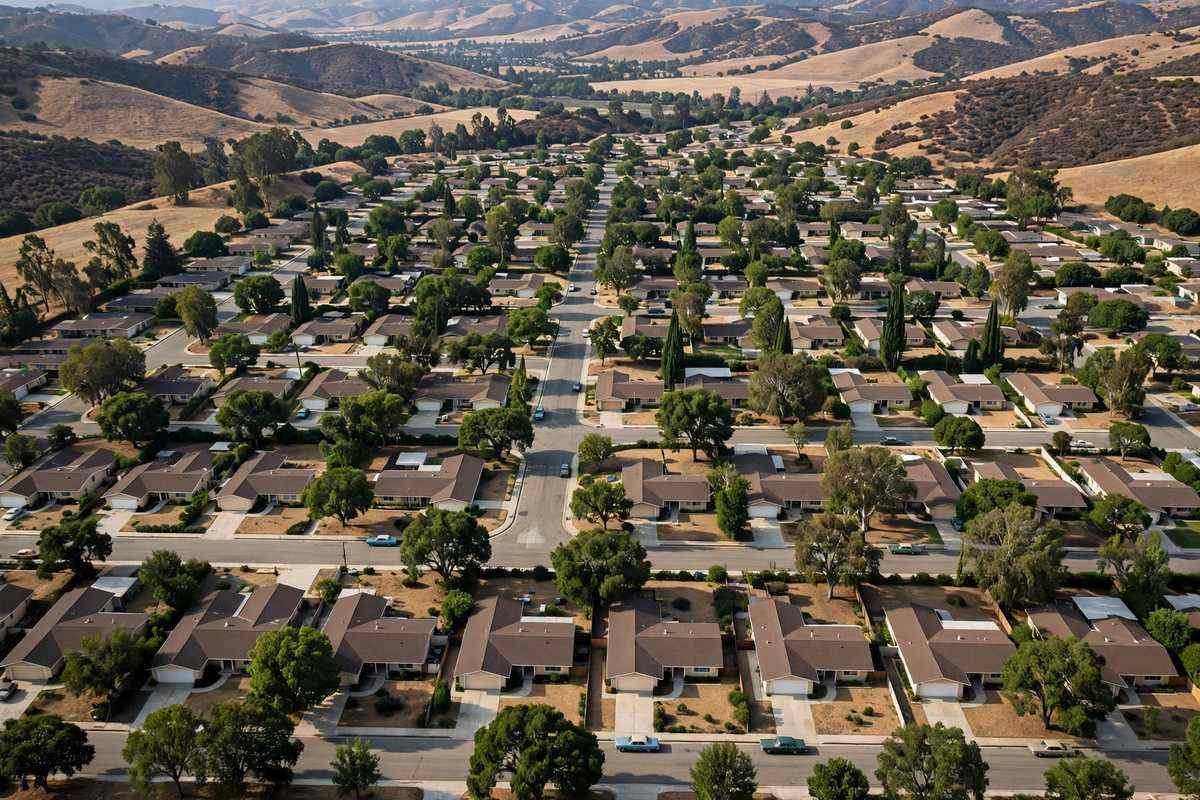
Santa Ana gusts in Simi Valley have been recorded at 62 mph, as on 4-5 October 2013.
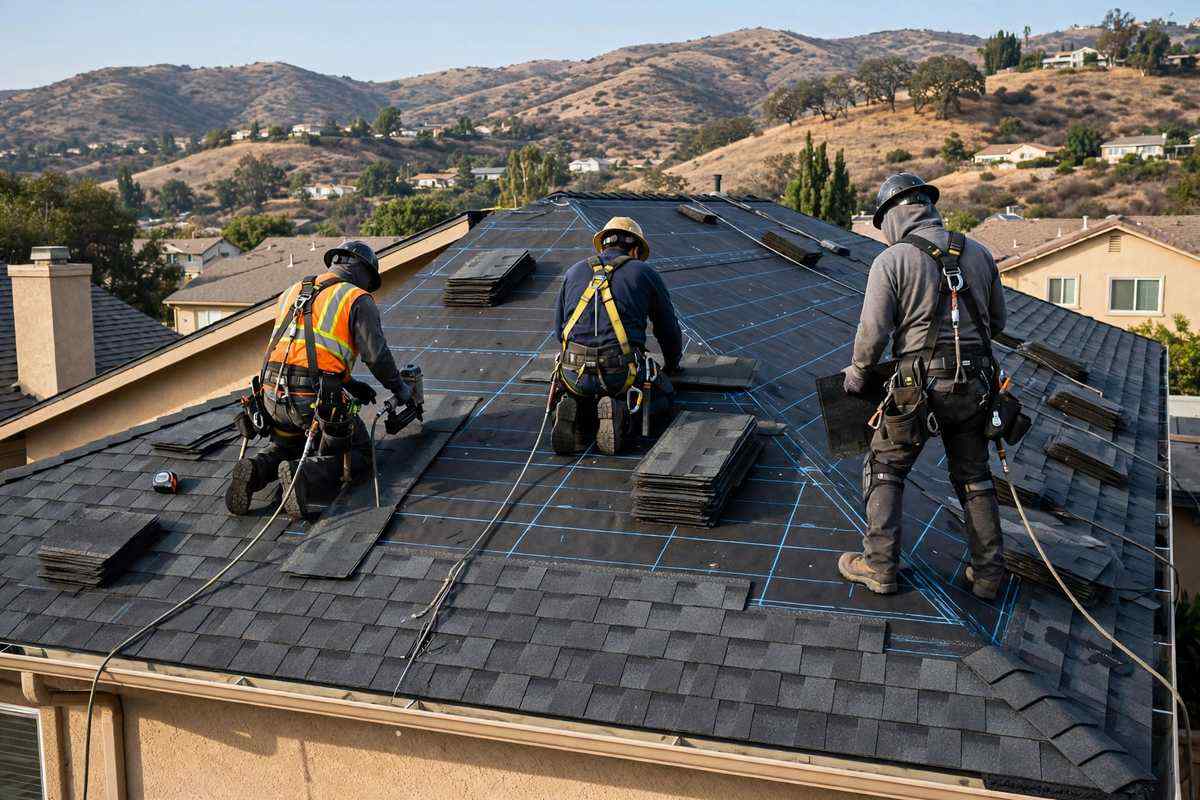
A recent local fire was the Easy Fire, 30 October to 2 November 2019, at 1,806 acres, ignited near Easy Street and Madera Road at the westerly end of Simi Valley.
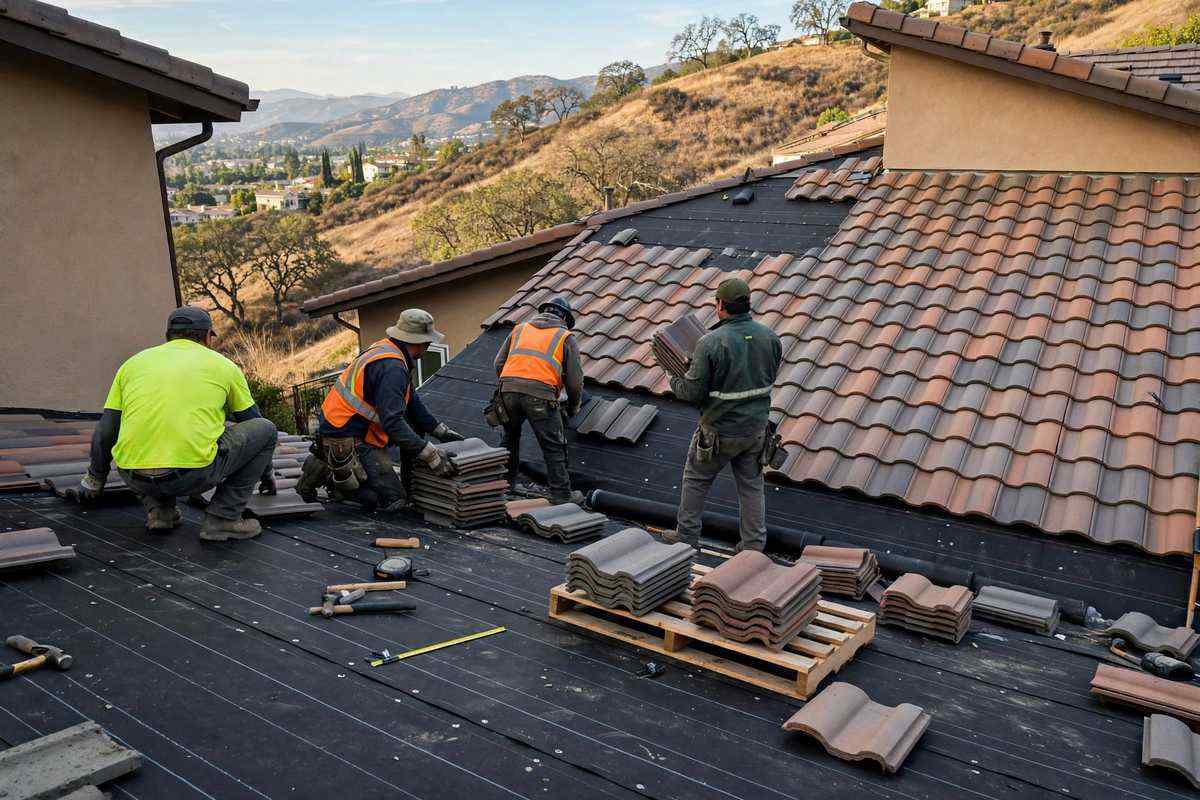
The Woolsey Fire ignited on 8 November 2018 south of Simi Valley on or near the Santa Susana Field Laboratory and burned about 80 percent of that site.
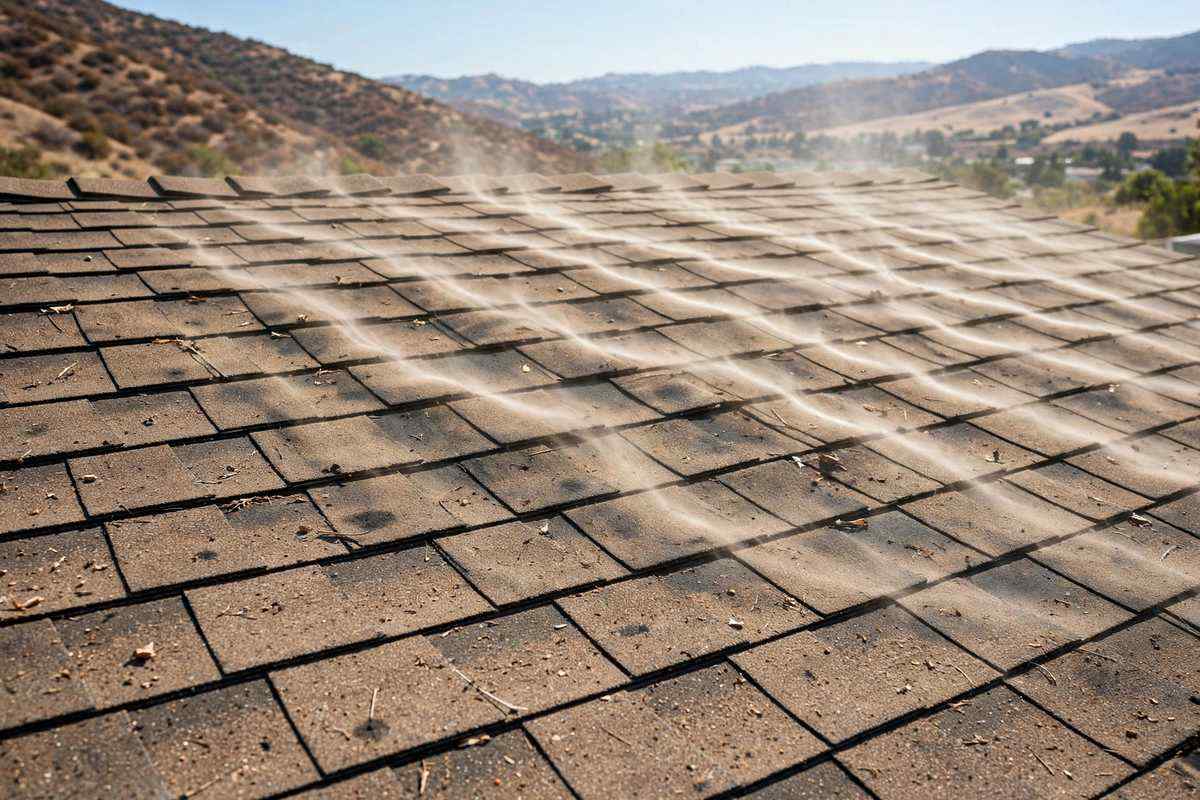
Storm damage in Simi Valley comes in two forms: Santa Ana wind, which lifts ridge caps and shingles and drives debris, and concentrated winter rain, which finds valleys, flashings and failed underlayment.
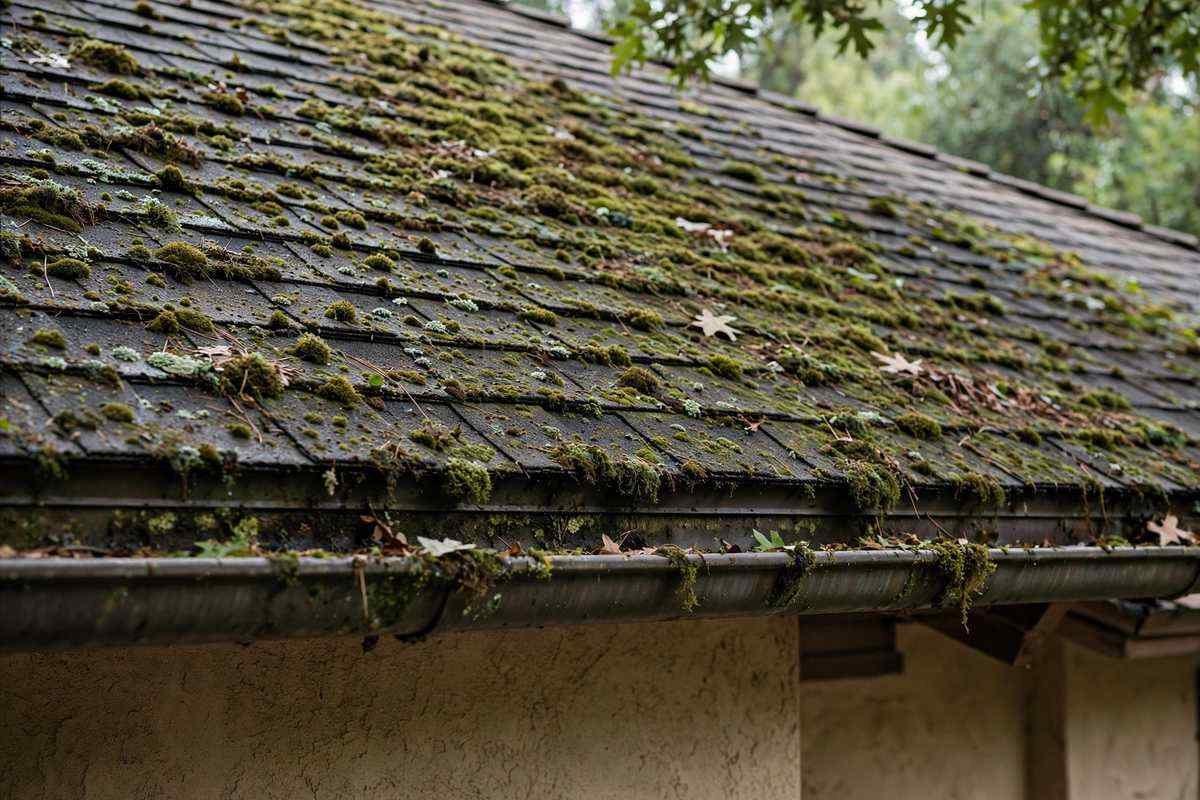
After a storm, the first step is documentation: photographs of the roof, the yard and any interior staining, before temporary repairs disturb the evidence.
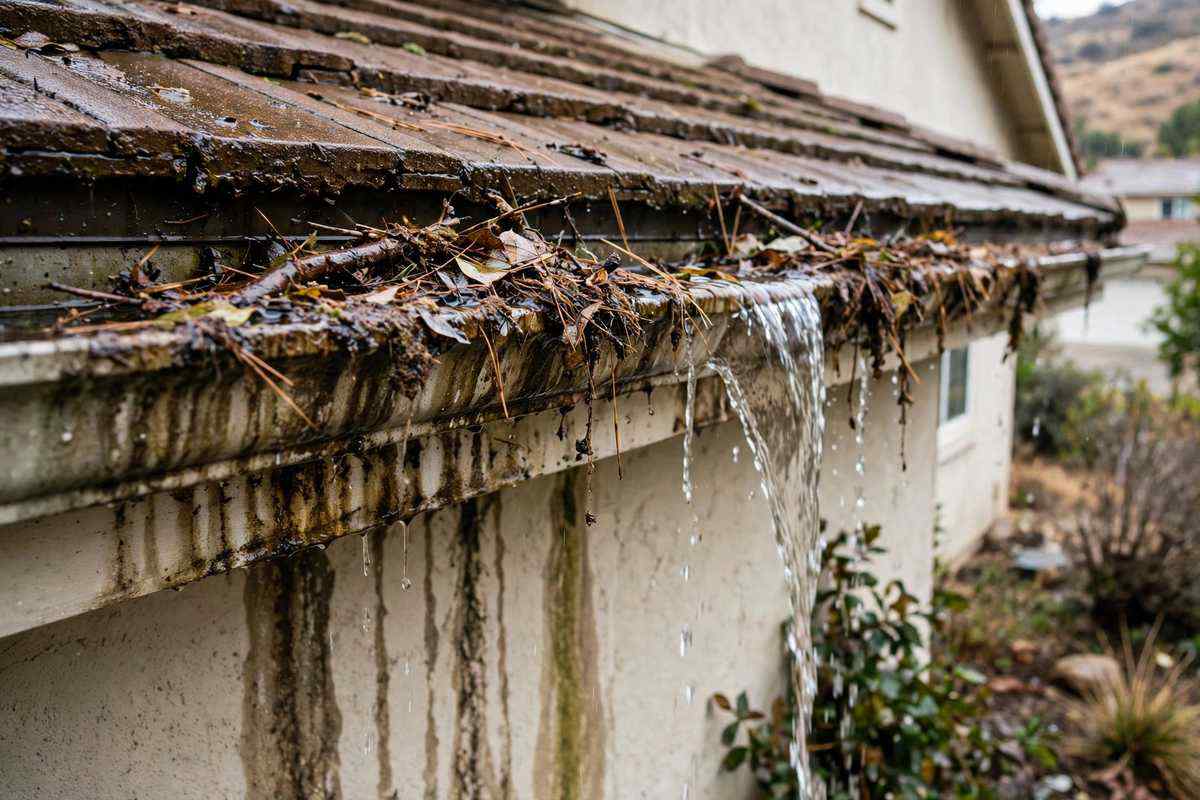
That record matters whether the repair is paid for directly or through an insurance claim, and no outcome is promised for any claim.
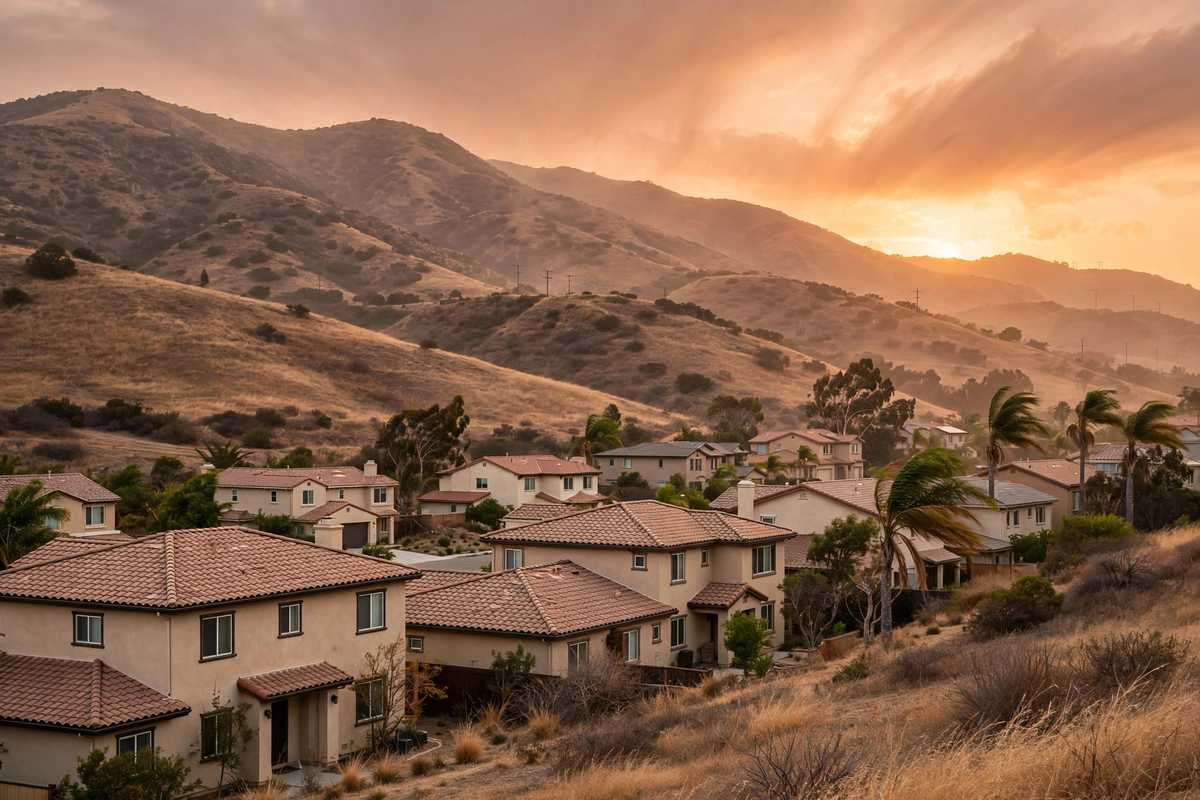
Recent Simi Valley storm and fire events include the Easy Fire of 30 October to 2 November 2019 at 1,806 acres, and winter storms in January 2023 and January 2024 recorded by the WeatherCurrents network.
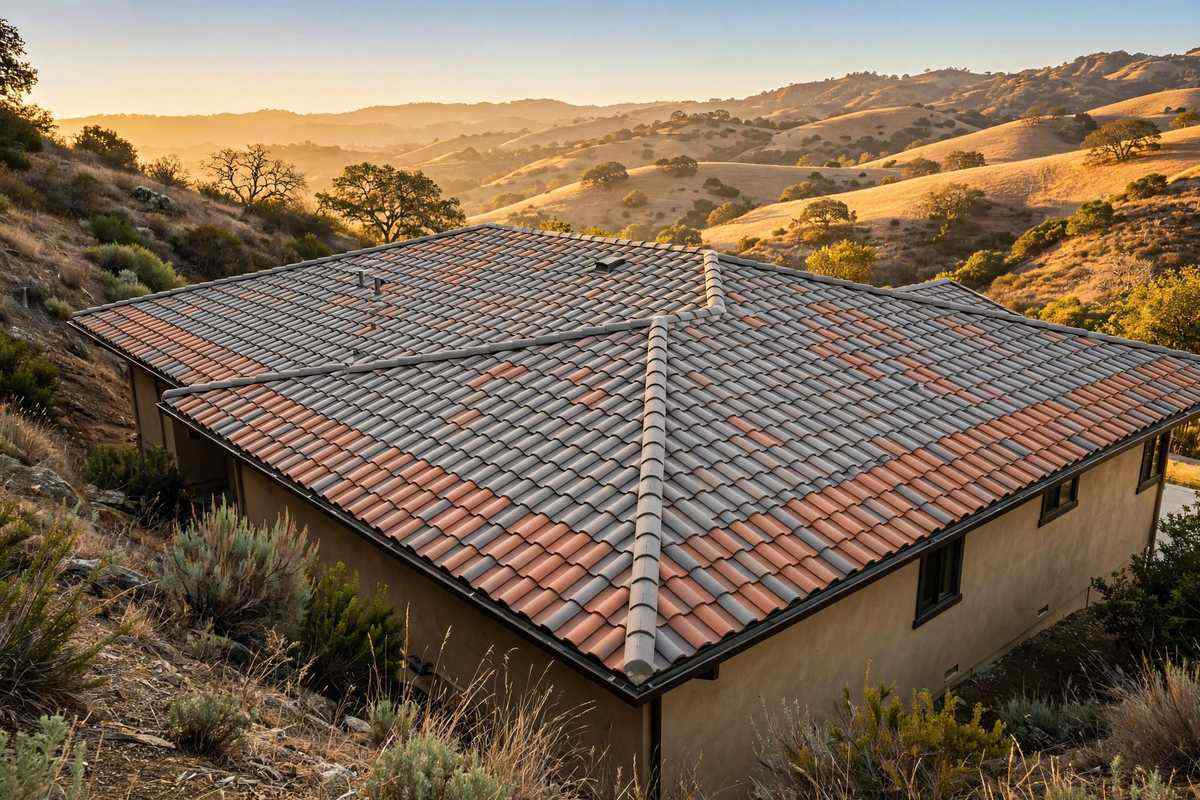
Call (805) 669-9300 to arrange an inspection and a written estimate.
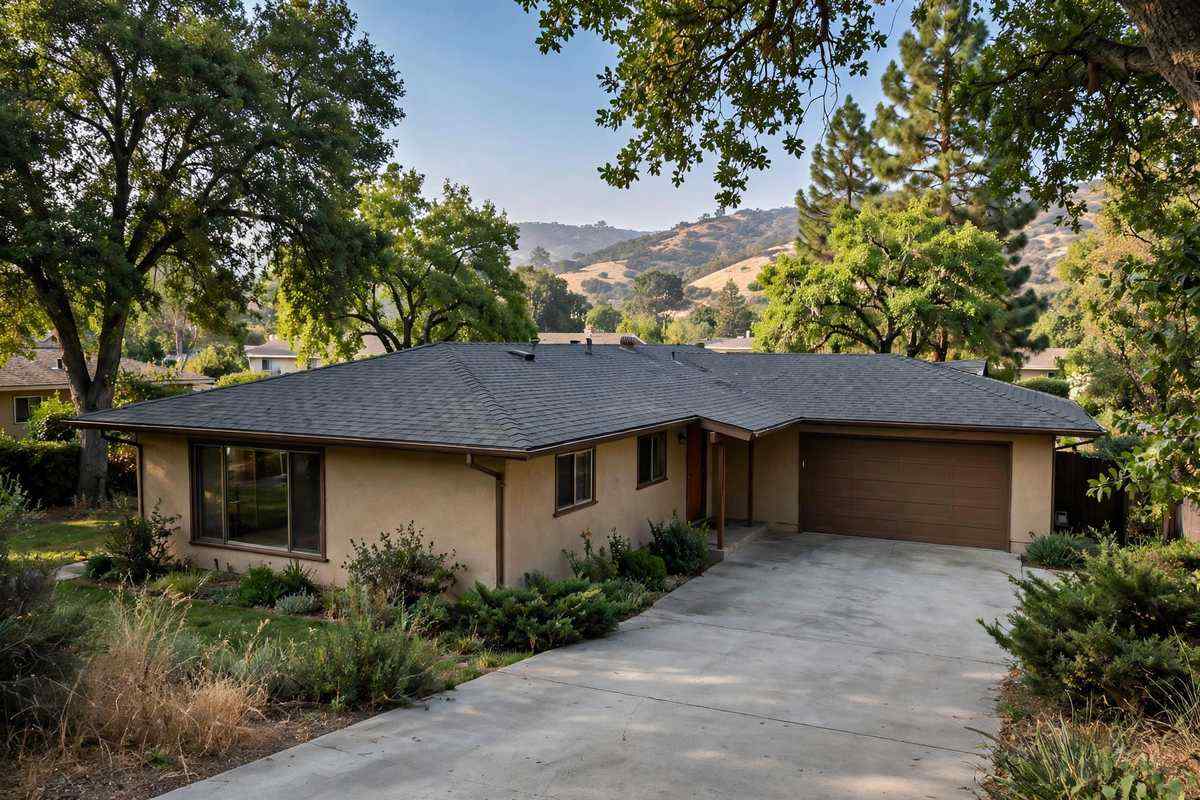
Simi Valley is an ageing tract re-roof market, not a new-construction market.
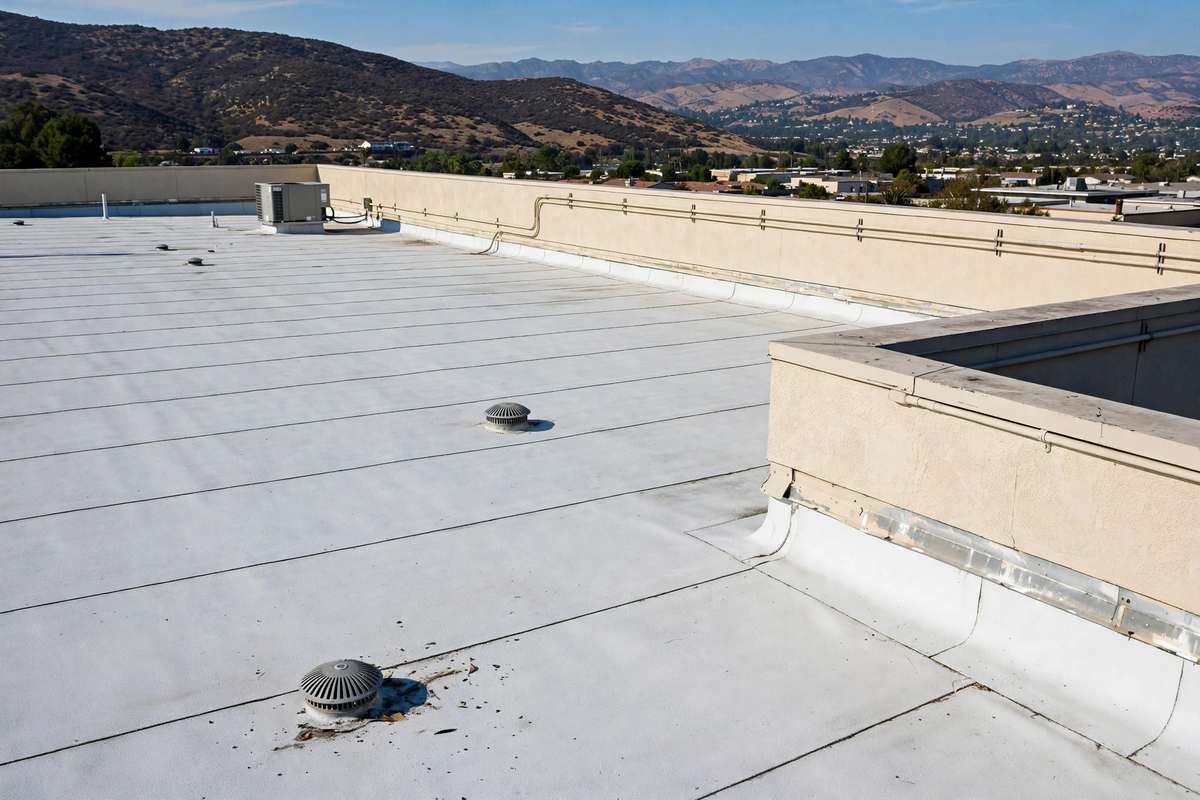
Most Simi Valley homes were built in the 1960s and the 1980s, with a median construction year in the late 1970s.
A large share of roofs therefore sit on homes 35 to 65 years old, at or beyond a first or second re-roof cycle on age grounds alone, so each roof still needs its own inspection.
Roof demand in Simi Valley is driven by inland heat and ultraviolet exposure, concentrated winter rain, and Santa Ana wind, not by snow.
Rain is strongly winter-concentrated and summers are essentially dry, so valleys, flashings and drains sit dry and collect debris for months and are then tested in a handful of winter storms.
Santa Ana gusts in Simi Valley have been recorded at 62 mph, as on 4-5 October 2013.
A recent local fire was the Easy Fire, 30 October to 2 November 2019, at 1,806 acres, ignited near Easy Street and Madera Road at the westerly end of Simi Valley.
After a storm, the first step is documentation: photographs of the roof, the yard and any interior staining, before temporary repairs disturb the evidence. That record matters whether the repair is paid for directly or through an insurance claim, and no outcome is promised for any claim.
Storm damage in Simi Valley comes in two forms: Santa Ana wind, which lifts ridge caps and shingles and drives debris, and concentrated winter rain, which finds valleys, flashings and failed underlayment.
After a storm, the first step is documentation: photographs of the roof, the yard and any interior staining, before temporary repairs disturb the evidence.
That record matters whether the repair is paid for directly or through an insurance claim, and no outcome is promised for any claim.
Recent Simi Valley storm and fire events include the Easy Fire of 30 October to 2 November 2019 at 1,806 acres, and winter storms in January 2023 and January 2024 recorded by the WeatherCurrents network.
Every job starts with an inspection and a written scope before any work begins.
Simi Valley is an ageing tract re-roof market, not a new-construction market.
Most Simi Valley homes were built in the 1960s and the 1980s, with a median construction year in the late 1970s.
A large share of roofs therefore sit on homes 35 to 65 years old, at or beyond a first or second re-roof cycle on age grounds alone, so each roof still needs its own inspection.
Roof demand in Simi Valley is driven by inland heat and ultraviolet exposure, concentrated winter rain, and Santa Ana wind, not by snow.
A recent local fire was the Easy Fire, 30 October to 2 November 2019, at 1,806 acres, ignited near Easy Street and Madera Road at the westerly end of Simi Valley. The Woolsey Fire ignited on 8 November 2018 south of Simi Valley on or near the Santa Susana Field Laboratory and burned about 80 percent of that site.
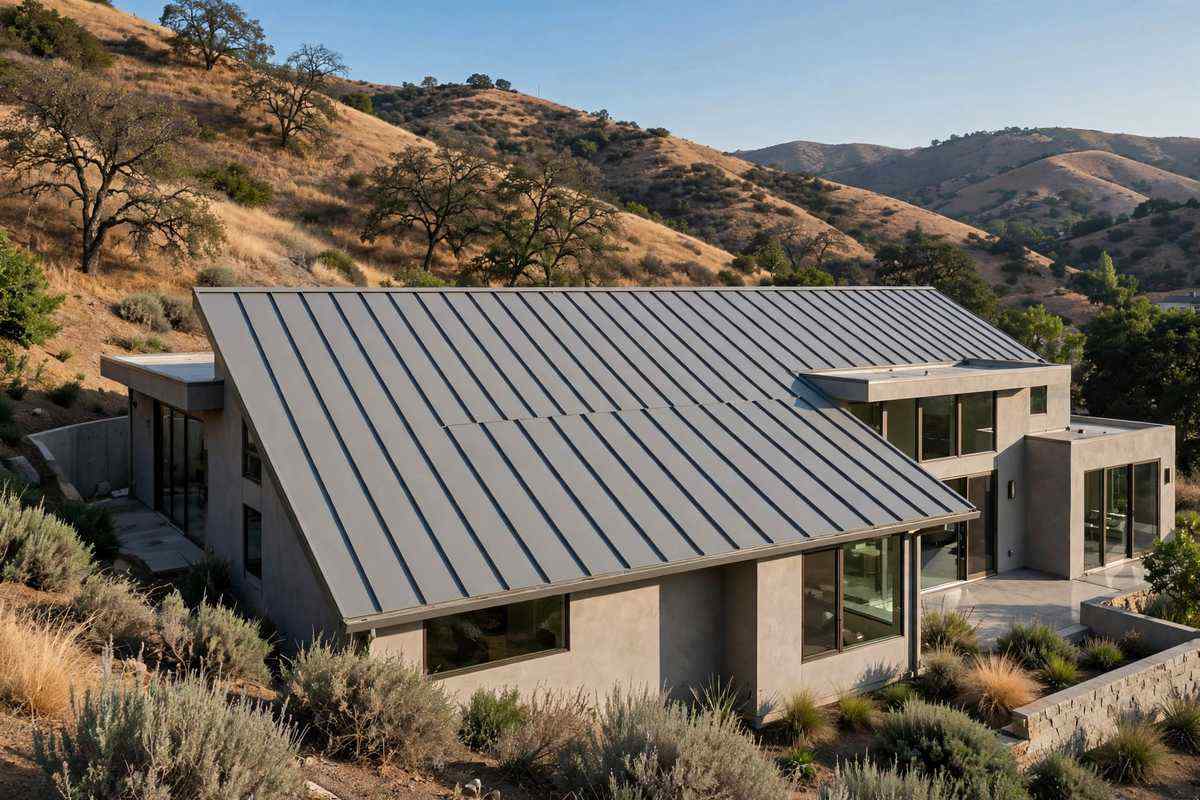
Santa Ana gusts in Simi Valley have been recorded at 62 mph, as on 4-5 October 2013.
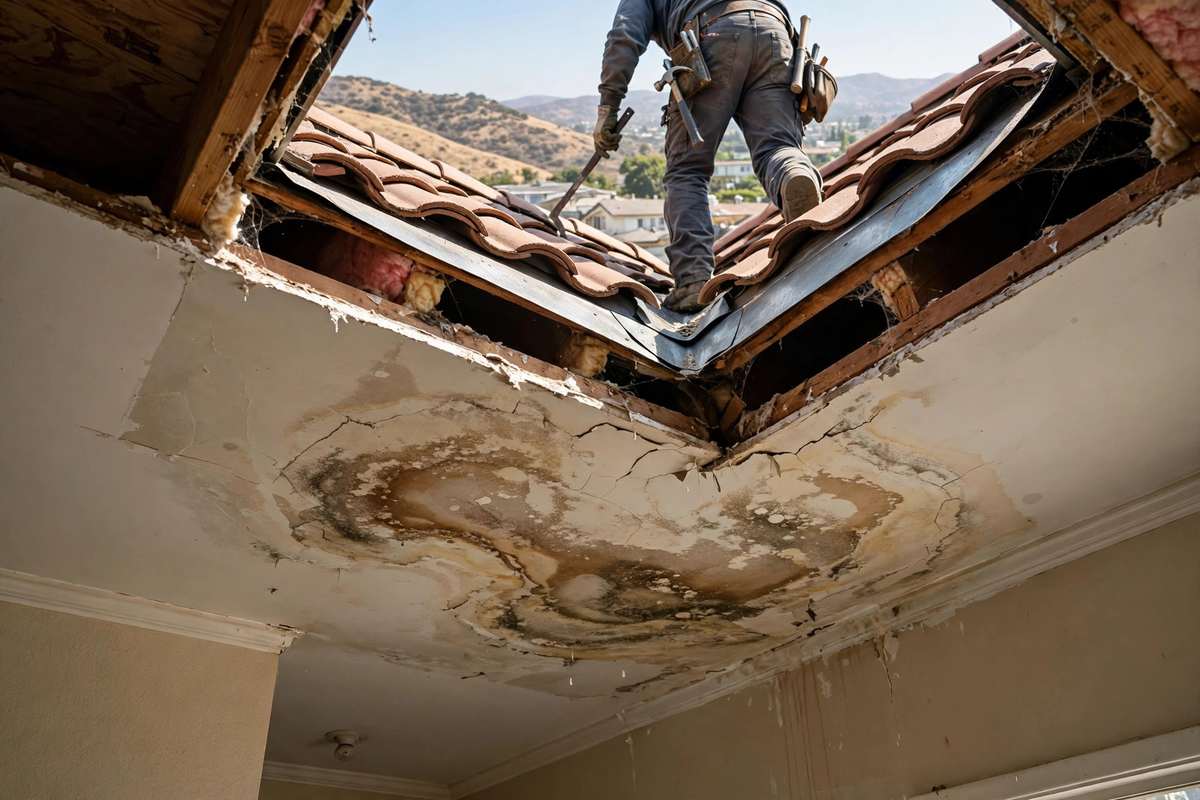
A recent local fire was the Easy Fire, 30 October to 2 November 2019, at 1,806 acres, ignited near Easy Street and Madera Road at the westerly end of Simi Valley.
The Woolsey Fire ignited on 8 November 2018 south of Simi Valley on or near the Santa Susana Field Laboratory and burned about 80 percent of that site.
Storm damage in Simi Valley comes in two forms: Santa Ana wind, which lifts ridge caps and shingles and drives debris, and concentrated winter rain, which finds valleys, flashings and failed underlayment.
After a storm, the first step is documentation: photographs of the roof, the yard and any interior staining, before temporary repairs disturb the evidence.
That record matters whether the repair is paid for directly or through an insurance claim, and no outcome is promised for any claim.
Recent Simi Valley storm and fire events include the Easy Fire of 30 October to 2 November 2019 at 1,806 acres, and winter storms in January 2023 and January 2024 recorded by the WeatherCurrents network.
We show you what we find, explain the options, and agree the scope in writing.
Simi Valley is an ageing tract re-roof market, not a new-construction market.
Simi Valley is an ageing tract re-roof market, not a new-construction market. Most Simi Valley homes were built in the 1960s and the 1980s, with a median construction year in the late 1970s. A large share of roofs therefore sit on homes 35 to 65 years old, at or beyond a first or second re-roof cycle on age grounds alone, so each roof still needs its own inspection.
Roof demand in Simi Valley is driven by inland heat and ultraviolet exposure, concentrated winter rain, and Santa Ana wind, not by snow. Rain is strongly winter-concentrated and summers are essentially dry, so valleys, flashings and drains sit dry and collect debris for months and are then tested in a handful of winter storms. Santa Ana gusts in Simi Valley have been recorded at 62 mph, as on 4-5 October 2013.
These are published Oct-2026 regional market ranges, not Treggo Lume prices. A written estimate follows inspection.
A recent local fire was the Easy Fire, 30 October to 2 November 2019, at 1,806 acres, ignited near Easy Street and Madera Road at the westerly end of Simi Valley. The Woolsey Fire ignited on 8 November 2018 south of Simi Valley on or near the Santa Susana Field Laboratory and burned about 80 percent of that site.
Rain is strongly winter-concentrated and summers are essentially dry, so valleys, flashings and drains sit dry and collect debris for months and are then tested in a handful of winter storms.
Santa Ana gusts in Simi Valley have been recorded at 62 mph, as on 4-5 October 2013.
A recent local fire was the Easy Fire, 30 October to 2 November 2019, at 1,806 acres, ignited near Easy Street and Madera Road at the westerly end of Simi Valley.
Simi Valley is an ageing tract re-roof market, not a new-construction market. Most Simi Valley homes were built in the 1960s and the 1980s, with a median construction year in the late 1970s. A large share of roofs therefore sit on homes 35 to 65 years old, at or beyond a first or second re-roof cycle on age grounds alone, so each roof still needs its own inspection.
Storm damage in Simi Valley comes in two forms: Santa Ana wind, which lifts ridge caps and shingles and drives debris, and concentrated winter rain, which finds valleys, flashings and failed underlayment.
After a storm, the first step is documentation: photographs of the roof, the yard and any interior staining, before temporary repairs disturb the evidence.
That record matters whether the repair is paid for directly or through an insurance claim, and no outcome is promised for any claim.
Recent Simi Valley storm and fire events include the Easy Fire of 30 October to 2 November 2019 at 1,806 acres, and winter storms in January 2023 and January 2024 recorded by the WeatherCurrents network.
Customer reviews are not published on this website yet. If you would like to discuss a roof in Simi Valley, call Treggo Lume Home Roofers at (805) 669-9300 or visit 1712 Erringer Rd, Simi Valley, CA 93065. A written scope follows inspection of the actual roof.
Recent Simi Valley storm and fire events include the Easy Fire of 30 October to 2 November 2019 at 1,806 acres, and winter storms in January 2023 and January 2024 recorded by the WeatherCurrents network.
A written scope follows inspection of the actual roof, because size, pitch, number of layers, material, access, and permit requirements all change the work. This website does not publish a firm price for this business; published market ranges elsewhere on this site are labelled as market data, not as a quote.
Whether storm or leak damage is covered depends on the homeowner's policy, its exclusions, and the insurer's assessment; this website does not promise coverage or any claim outcome. Photograph visible damage, keep repair records, and contact the insurer promptly, since claim deadlines are set by the policy.
After a Santa Ana wind or winter storm, look from the ground for missing shingles or tiles, lifted ridge caps, and debris in valleys, and check ceilings and the attic for stains. An inspection traces the source before any repair scope is written; insurance questions are answered by the homeowner's policy and insurer, not by this website.
After a Santa Ana wind or winter storm, look from the ground for missing shingles or tiles, lifted ridge caps, and debris in valleys, and check ceilings and the attic for stains. An inspection traces the source before any repair scope is written; insurance questions are answered by the homeowner's policy and insurer, not by this website.
Simi Valley is an ageing tract re-roof market, not a new-construction market. Most Simi Valley homes were built in the 1960s and the 1980s, with a median construction year in the late 1970s. A large share of roofs therefore sit on homes 35 to 65 years old, at or beyond a first or second re-roof cycle on age grounds alone, so each roof still needs its own inspection.
Call Treggo Lume Home Roofers at (805) 669-9300 or visit 1712 Erringer Rd, Simi Valley, CA 93065, to discuss your roof.
A recent local fire was the Easy Fire, 30 October to 2 November 2019, at 1,806 acres, ignited near Easy Street and Madera Road at the westerly end of Simi Valley. The Woolsey Fire ignited on 8 November 2018 south of Simi Valley on or near the Santa Susana Field Laboratory and burned about 80 percent of that site.
(805) 669-9300